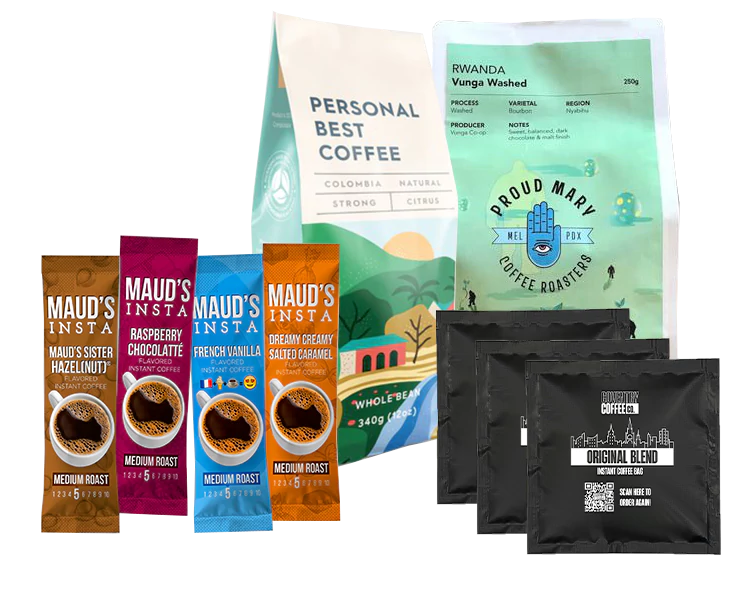
Custom coffee packaging labels must meet rules for product identity, ingredient disclosure, net weight, origin claims, certification statements, and environmental information. In the United States, FDA labeling rules apply to most packaged coffee products, while the European Union follows food information regulations such as Regulation (EU) No 1169/2011. A compliant label helps brands sell across markets while avoiding inaccurate claims.
Coffee packaging labels are not only used for branding. They provide information that allows customers, retailers, and regulators to understand what the product contains and where it comes from. Global coffee consumption reached around 173 million 60-kilogram bags in the 2022/2023 coffee year, according to the International Coffee Organization, increasing the need for clear packaging information.
A coffee label must contain accurate product information before adding marketing messages or design elements.
| Label Requirement | Information Usually Required |
|---|---|
| Product name | Roasted coffee, ground coffee, instant coffee, flavored coffee |
| Net quantity | Weight shown in approved measurement units |
| Manufacturer details | Company name and business address |
| Origin information | Country, region, or farm details when claimed |
| Date information | Roast date, best-before date, or expiration date depending on market |
| Batch identification | Lot number for product management |
| Certification marks | Organic, Fairtrade, Rainforest Alliance, or other approved certifications |
The first requirement is product identity. Coffee packages must clearly describe the product type so consumers know what they are purchasing. A bag labeled as “ground coffee” cannot contain a different product category without proper disclosure. In 2021, the FDA updated several food labeling guidance documents to improve consistency in packaged food information, including clearer descriptions and ingredient statements.
After identifying the product, brands need to provide correct ingredient details. Pure roasted coffee usually contains one ingredient: coffee beans. However, flavored coffee products may contain added substances such as natural flavors, spices, sweeteners, or dairy-related ingredients. In the European Union, allergens from added ingredients must be clearly declared according to Regulation (EU) No 1169/2011.
Many specialty coffee companies also use packaging to communicate sourcing information. Origin claims such as “Colombian coffee,” “Ethiopian single origin,” or “Guatemala Antigua” must match the actual supply chain records. A 2023 specialty coffee consumer survey showed that more than 60% of buyers considered origin details important when selecting premium coffee products.
“Single origin” labeling requires that the coffee comes from the stated geographic source and that the claim can be supported by supplier documentation.
The net quantity statement is another required part of coffee packaging. Markets usually require weight information using standardized units. In the United States, coffee sold by weight commonly uses ounces and pounds, while many international markets use grams and kilograms. A package marked as 12 oz or 340 g must contain the stated amount according to applicable measurement standards.
Packaging design must also consider freshness protection. Coffee quality decreases when oxygen, moisture, light, and heat affect roasted beans. Many brands use packaging technologies such as degassing valves because freshly roasted coffee releases carbon dioxide after roasting. Products using one way valve coffee bags allow gas release while reducing oxygen entering the package, helping maintain coffee quality during storage.
The use of certification labels requires additional control. Organic coffee claims are among the most regulated statements in the market. In the United States, products using the USDA Organic seal must follow National Organic Program requirements. The European Union organic logo requires compliance with Regulation (EU) 2018/848. Certification systems normally require inspections, documentation review, and supply-chain verification.
| Common Claim | Typical Requirement |
|---|---|
| Organic | Approved certification and production records |
| Fairtrade | Certification from recognized Fairtrade organizations |
| Rainforest Alliance | Certified farm and supply-chain compliance |
| Carbon neutral | Supporting environmental measurement and verification |
Environmental claims on coffee packaging are receiving more attention. Terms such as “compostable,” “biodegradable,” and “eco-friendly” need supporting information in many markets. In 2023, the European Commission proposed stronger rules against misleading environmental claims, requiring companies to provide clearer evidence for sustainability statements.
Packaging materials also influence labeling requirements. Coffee brands using recyclable pouches, paper-based bags, or compostable packaging often need to check whether local recycling symbols and disposal instructions are permitted. Incorrect recycling information may confuse consumers and create compliance issues.
Traceability information has become more common in specialty coffee packaging. Some brands include farm names, altitude, processing method, harvest year, roasting date, and producer information. These details are usually optional, but once printed, they must be accurate. A 2022 specialty coffee industry report found that traceability information was included by many premium coffee brands to improve transparency between producers and consumers.
Coffee labels must also follow language rules in different markets. Products sold in Canada generally require English and French information, while European markets may require local language labeling depending on the destination country. Export companies often prepare different label versions to meet regional requirements.
Marketing statements require careful wording because many coffee claims are regulated. Words such as “premium,” “best,” or “award-winning” may require supporting information depending on local advertising standards. More specific statements, such as “100% Arabica” or “single farm,” require accurate product verification.
A label should describe the coffee accurately rather than making claims that cannot be supported by production records.
Barcode information and batch numbers are also commonly included on commercial coffee packaging. Retailers use barcodes for inventory management, while batch codes help companies identify production periods if quality concerns appear. Large coffee manufacturers may maintain records for multiple years to support product management.
Custom coffee packaging production requires a review process before printing. Many brands check artwork files against regulatory requirements before approving large production orders. A packaging mistake involving weight, certification symbols, ingredient information, or origin statements can require replacement of printed materials.
A typical review process includes:
-
Confirming product name and coffee type
-
Checking ingredient statements
-
Reviewing weight information
-
Verifying certification logos
-
Confirming origin descriptions
-
Checking barcode and batch details
-
Reviewing environmental claims
Digital printing has made small production runs easier for coffee companies. Brands can produce seasonal packaging or limited editions without ordering very large quantities. However, every new label version still requires the same regulatory review process as traditional packaging.
Coffee packaging regulations continue to change as governments focus more on food transparency and environmental information. By 2030, many markets are expected to require more detailed packaging information related to recycling, sourcing, and supply-chain reporting. Coffee brands that sell internationally need labels that remain accurate across different regions and customer expectations.
A well-prepared coffee label combines legal information with product storytelling. When origin, ingredients, certifications, packaging materials, and freshness information are presented correctly, custom coffee packaging can support both compliance and customer understanding.